91²Ö¿â the Competition
91²Ö¿â’s Healthcare Design Program hosted "A Clinic for Children" student competition. This challenge encouraged students to reimagine pediatric healthcare settings with a focus on creating inviting, fun, and safe environments for young patients. The competition focused on designs that integrate innovative design strategies to enhance the experience of pediatric patients. Participants were encouraged to develop comprehensive concepts that improve accessibility and functionality, while minimizing stress for young patients and their families.
In addition to faculty at 91²Ö¿â, the competition jury included practitioners from leading architecture and design firms in healthcare, including Peter Bohan, Principal at Perspectus. Ray Minotas, Principal at Perspectus, Rachel Collett, Senior Project Director at Perspectus, Hans Walter at DLR Group, and Gina Livinston-Smith at HDR.
First Place – Architecture
Mardia Rahman

Project Description
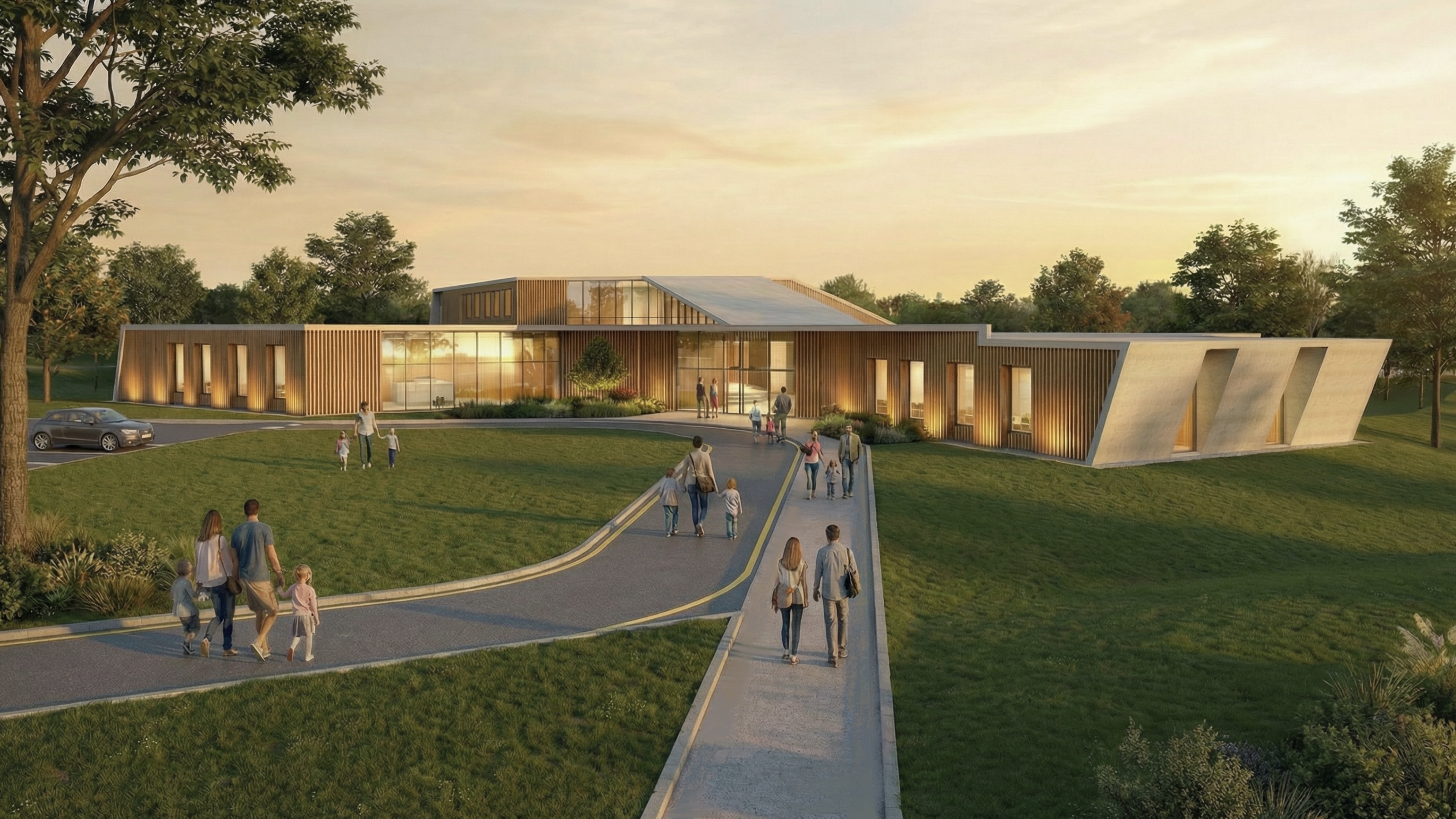
The Gradient Grove: Where Topography and Nature Heals Growing Lives is an ambulatory pediatric clinic that responds to its site's unique context and natural elements to support children's development and wellbeing. The design comprises four modular clinical pods and two healing gardens, accessible from the central main lobby waiting area, which minimizes travel distances while maximizing natural light and natural views in every space. The topography naturally separates public and staff circulation, as well as waiting spaces for young and older children, and creates easy wayfinding that reduces anxiety. Grounded in evidence-based research on positive distraction, biophilic design, indoor-outdoor connection, family engagement, age-specific design, noise control, privacy, and safety, the design achieves three key goals: reducing anxiety through nature integration, increasing satisfaction among children, families, and staff, and supporting wellbeing by building resilience into the design.

Mardia Rahman
Mardia Rahman is a 2nd year Master of Architecture student at Texas Tech University's Huckabee College of Architecture, originally from Bangladesh. Her work focuses on evidence-based, human-centered design with a particular interest in healthcare environments. She is passionate about creating spaces that support healing and wellbeing.
Faculty Advisor
Dr. Lingyi Qiu, Assistant Professor
Second Place – Architecture
Susana Brinez
Matthew Flores
Sudha Sapkota

Project Brief
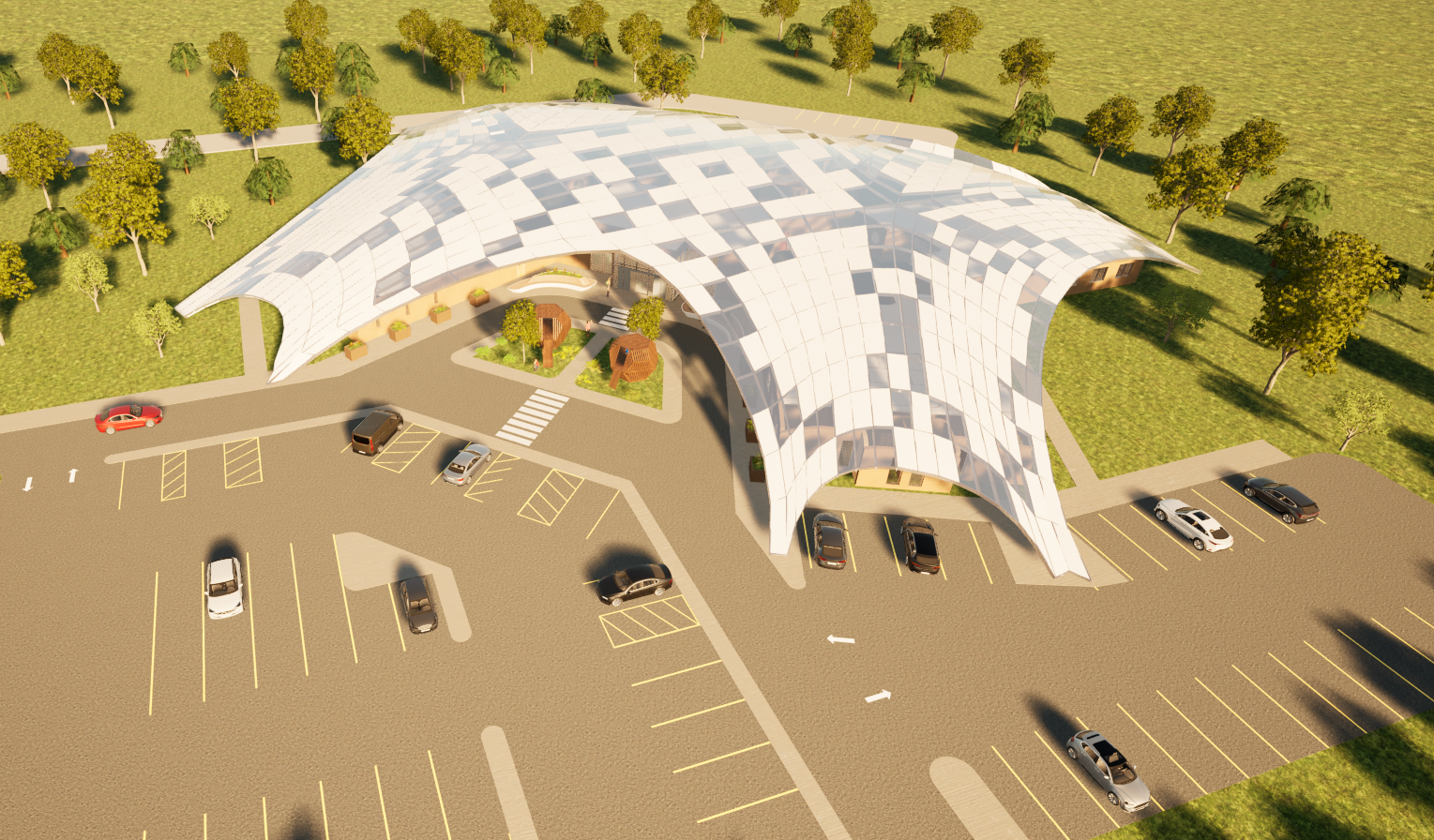
The Well-Nest Clinic is a pediatric healthcare facility designed to create a nurturing and restorative environment for children and families through the integration of healthcare, nature, and learning. Centered on the theme of healing through connection to nature, the project draws inspiration from the wooded landscape of Broadview Heights and its native bird species, translating local ecology into a therapeutic spatial experience.
The design organizes the clinic through age-sensitive planning, providing playful and engaging waiting environments for younger children while offering quieter, more private zones for adolescents. Interior spaces emphasize natural daylight, warm and tactile materials, and subtle biomorphic forms to reduce stress and enhance comfort.
A central courtyard and a series of covered, nature-inspired spaces introduce moments of calm within the clinical journey, offering visual and emotional relief throughout the visit. These spaces reinforce a continuous connection to nature as part of the healing process.
By merging healthcare delivery with ecological awareness and spatial learning, the Well-Nest Clinic redefines the pediatric clinic as a place of care, belonging, and holistic well-being.

Susana Brinez
Born and raised in Venezuela and now based in Texas, my work is shaped by navigating between cultures, scales, and ways of making. My interests center on healthcare design, sustainability, and historic preservation, with a focus on sensory-driven, research-based design. Growing up in Maracaibo fostered my appreciation for vernacular architecture and its role in cultural identity. Through academic, teaching, and material research, I explore how architecture can support well-being, resilience, and meaningful connections between people, place, and memory.

Matthew Flores
I am Matthew Flores, an architecture student at Texas Tech University graduating with my masters. I am interested in healthcare design and focusing on creating patient centered environments that promote healing, efficiency, and wellbeing.

Sudha Sapkota
I grew up in Nepal, where everyday spaces and landscapes first shaped the way I understand architecture, less as buildings, and more as lived experience. Moving to the United States to pursue my master’s degree in architecture at Texas Tech University expanded that perspective, exposing me to new ways of thinking, making, and designing. My work is driven by curiosity about how spaces respond to people’s needs, behaviors, and memories, with a focus on creating thoughtful, human-centered environments that connect culture, place, and experience.
Faculty Advisor
Dr. Lingyi Qiu
First Place – Interior Design
Anna Black

Project Brief
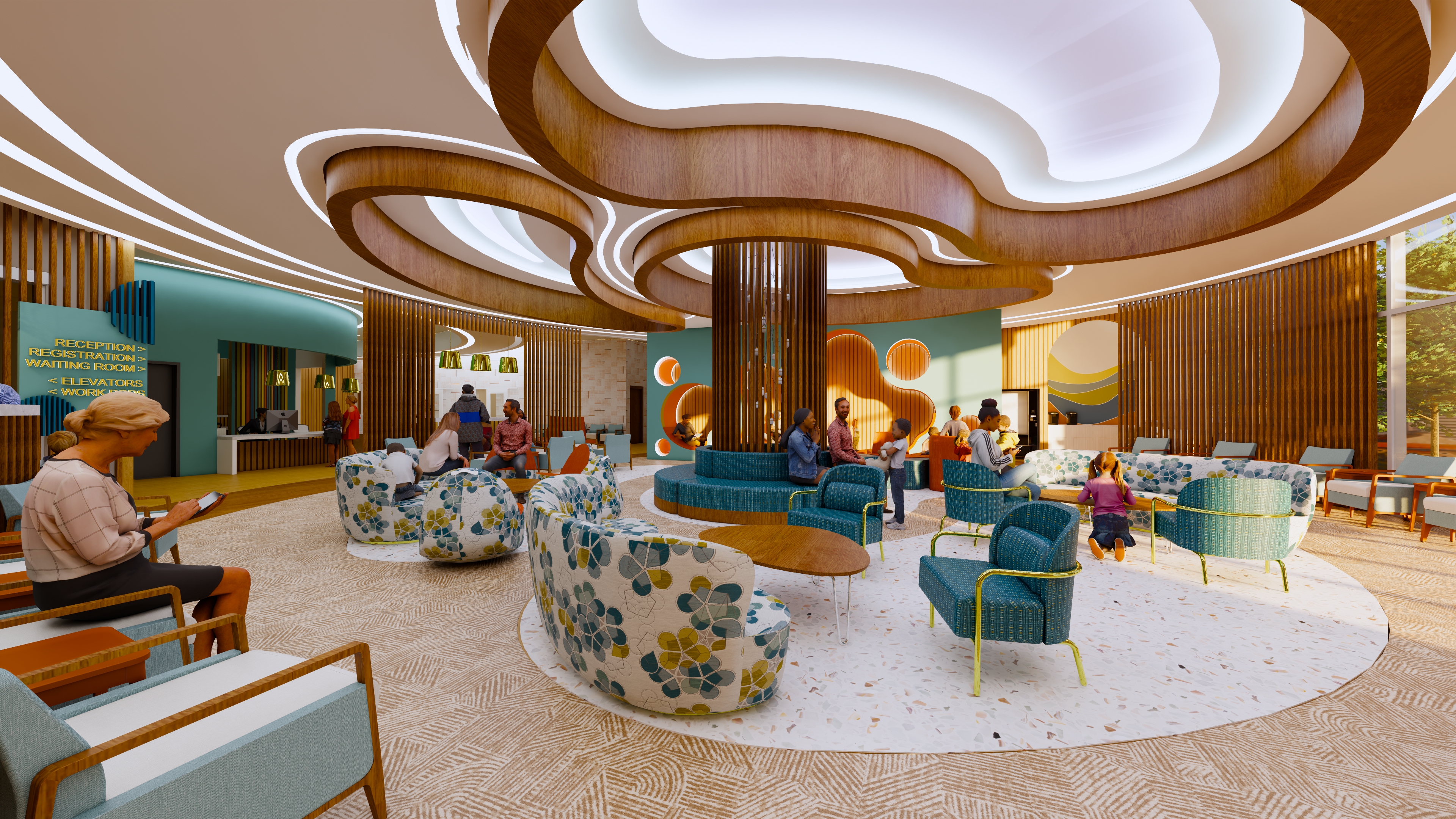
Rooted in Cleveland’s industrial heritage, this pediatric clinic transforms the strength and rhythm of the city’s past into a space that fosters comfort, connection, and discovery. The design weaves linear and curvilinear forms, reflecting both the precision of healthcare and the process of healing, while honoring Cleveland’s industrial roots and its connection to the Cuyahoga River and Lake Eerie. Linear slate ceilings and walls guide visitors with clarity, while curving motifs invite movement, curiosity, and exploration throughout the building.
The clinic is shaped around four priorities: experience, flexibility, accessibility, and cultural context. Waiting areas are organized into intentional zones, and each of the four exam pods functions as “neighborhoods,� minimizing foot traffic and confusion while making resources readily available for staff. Inside the pods, flexible furniture and thoughtful storage supports diverse users, activities, and needs. The waiting room encourages interaction and comfort through a mix of seating types, while materials are chosen for durability, cleanability, and tactile warmth, creating a playful yet practical environment.
Every detail in this clinic tells a story, of the city, of care, and of curiosity, coming together to create a healing space where children, families, and staff feel supported, engaged, and inspired.

Anna Black
In May, I will graduate from the University of Kentucky with a BFA in Interior Design, with certificates in Historic Preservation and Business. My approach to design is centered on the belief that thoughtful spaces can positively impact the way people live, work, and connect. This project helped me to develop a greater appreciation for how design can influence healing, well-being, and the overall quality of care. As I begin my career, I hope to create spaces that are intentional, impactful, and truly make a difference in the lives of those who use them.
Faculty Advisor:
Lindsey Fay, University of Kentucky College of Design: School of Interiors: Associate Professor, Associate Dean for Research