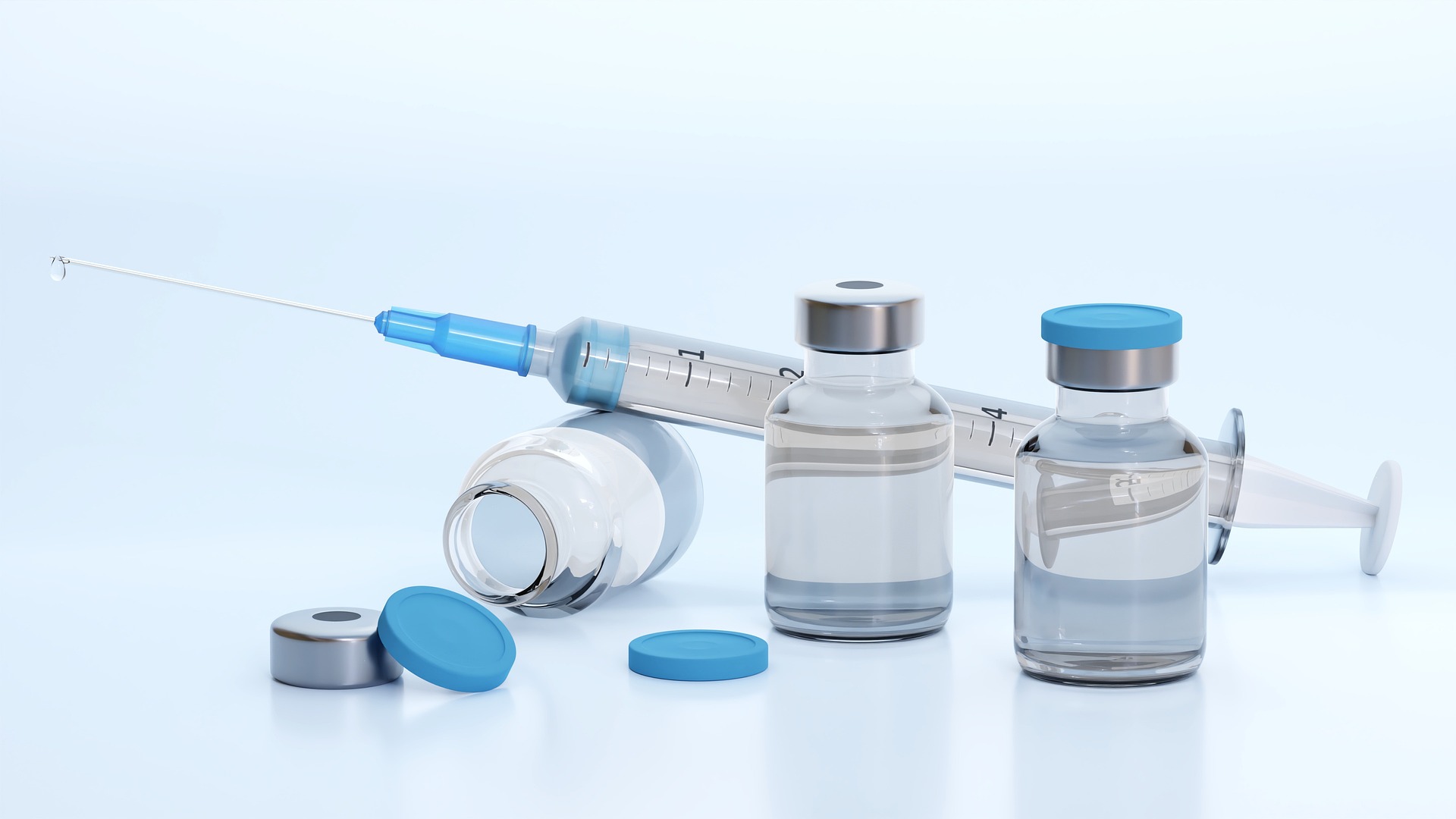
Measles cases are increasing nationwide, including confirmed cases at several college campuses.
While 91²Ö¿â has not reported any cases, understanding this highly contagious disease can help our campus community stay informed and protected.
Public health officials have confirmed measles cases at universities, including Clemson University and the University of Utah. The Centers for Disease Control and Prevention reported more than 2,100 confirmed measles cases nationally in 2025, the highest number in more than three decades. Most cases have occurred in individuals who were unvaccinated or had an unknown vaccination status.
Understanding Measles
Measles is caused by a virus and spreads easily through the air when an infected person coughs or sneezes. The virus can remain airborne for up to two hours, meaning you can become infected simply by entering a room where someone with measles has been.
Initial symptoms typically appear 10-21 days after exposure and include fever, cough, runny nose and red, watery eyes. A distinctive rash usually develops three to five days later, starting on the face and spreading across the body.
The measles, mumps, and rubella (MMR) vaccine provides highly effective protection. Two doses of the MMR vaccine are 97% effective at preventing measles and provide long-lasting immunity.
Most 91²Ö¿â students received their childhood MMR vaccines, which typically include one dose between 12-15 months and a second dose between four to six years.
What 91²Ö¿â Students Should Know
Students who have not received two doses of MMR vaccine should consult with the DeWeese Health Center about vaccination. This is particularly important for those planning international travel or anyone who may have missed childhood vaccinations.
If you develop symptoms consistent with measles, stay home and contact your healthcare provider by phone before visiting their office. This helps prevent potential exposure to others in waiting rooms.
At Clemson, the infected individual has isolated per South Carolina's Department of Public Health (DPH) requirements; DPH is now conducting contact tracing with people who may have been exposed and outlining isolation and quarantine protocols.
Additional Resources
If you have not submitted your vaccine records to DeWeese Health Center, please take the following steps to submit your immunization records:
1. Visit the DeWeese Health Center Patient Portal ().
2. Type in your 91²Ö¿â email and password. Sign in.
3. Once you sign in, click on “Immunizations� on the left side of the screen.
4. Follow the prompts at the top of the screen
5. Select each of the required vaccinations and enter the dates they were received. If you received a titer test, please enter the result date of the positive antibody titer test.
6. Once all dates are entered, click submit.
7. Click “Uploads� on the left side of the screen.
8. Upload your documentation for your vaccinations. We will accept a copy of your original shot records, school records, or the Vaccination History Form found online (/deweese/mandatory-immunizations
Submissions may take up to 30 business days to review and verify.
If you are having trouble locating your records, DeWeese Health Center offers services to help you meet these requirements. Call 330.672.2322 to schedule an appointment.